The Hidden Epidemic: Why Dry Eye Is on the Rise Worldwide
Dry Eye Disease (DED) has emerged as a significant global health concern, affecting millions and impacting daily life and productivity. Characterized by inadequate tear production or excessive tear evaporation, DED leads to ocular.
Introduction Dry Eye Disease (DED) has emerged as a significant global health concern, affecting millions and impacting daily life and productivity. Characterized by inadequate tear production or excessive tear evaporation, DED leads to ocular discomfort, visual disturbances, and potential damage to the ocular surface.
The Global Surge in Dry Eye Disease
Recent epidemiological studies indicate a rising prevalence of DED worldwide. Factors contributing to this increase include aging populations, environmental changes, and lifestyle habits. The global dry eye disease market is projected to reach $6.11 billion in 2024, reflecting the growing demand for effective treatments.
Contributing Factors to the Rise
1. Aging Population
Age-related changes in tear production and eyelid function make older adults more susceptible to DED. As the global population ages, the incidence of dry eye is expected to rise correspondingly.
2. Digital Device Usage
Prolonged screen time reduces blink rates, increasing tear evaporation and ocular surface stress. The ubiquitous use of computers and smartphones has made this a significant risk factor across all age groups.
3. Environmental Conditions
Exposure to air conditioning, low humidity, wind, and pollutants can disrupt tear film stability, exacerbating dry eye symptoms.
4. Contact Lens Wear
Extended contact lens use can interfere with tear film distribution and oxygen delivery to the cornea, contributing to dryness and discomfort.
5. Systemic Medications and Health Conditions
Certain medications, such as antihistamines, antidepressants, and diuretics, can reduce tear production. Additionally, autoimmune diseases like Sjögren's syndrome and rheumatoid arthritis are associated with DED.
6. Hormonal Changes
Hormonal fluctuations during pregnancy, menopause, or hormone replacement therapy can affect tear production, increasing the risk of dry eye, particularly in women.
Impact on Quality of Life
DED significantly affects patients' quality of life, causing symptoms like burning, stinging, and blurred vision. These symptoms can impair daily activities, including reading, driving, and using digital devices. Moreover, the chronic discomfort associated with dry eye can lead to psychological distress, including anxiety and depression.
Addressing the Epidemic To mitigate the growing burden of DED, a multifaceted approach is necessary:
Public Awareness: Educating the public about dry eye symptoms and risk factors can promote early diagnosis and treatment.
Clinical Management: Healthcare providers should adopt comprehensive assessment tools to evaluate tear film function and ocular surface health, tailoring treatments to individual patient needs.
Research and Innovation: To improve patient outcomes, continued research into the pathophysiology of DED and the development of novel therapies is essential.
Conclusion Dry Eye Disease represents a growing public health challenge with significant implications for individuals' quality of life and healthcare systems worldwide. By understanding the contributing factors and implementing effective management strategies, we can address this hidden epidemic and improve ocular health outcomes globally.
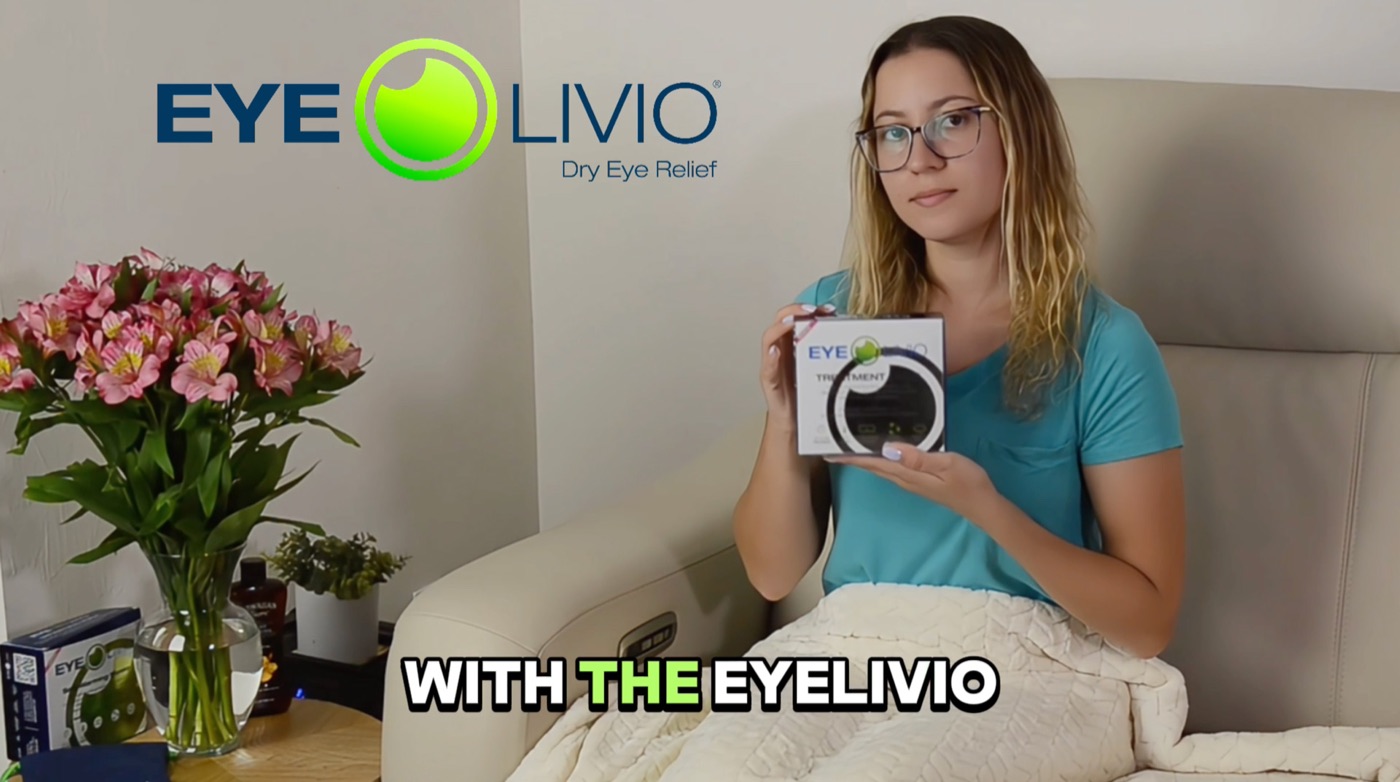
EYELIVIO Complete Dry Eye Care Pack
Note: This article is informational and should not replace professional medical advice. For personalized recommendations, consult an eye care specialist.
References
- Optometry Times. Global dry eye by the numbers.
- Mayo Clinic. Dry eyes - Symptoms & causes.
- Dry Eye Disease: Impact on Quality of Life and Vision.
- Eyes On Eyecare. The 2024 Dry Eye Report.Cleveland Clinic. Dry Eye: Symptoms,
- Common American Academy of Ophthalmology
- National Eye Institute. Dry Eye.
- Ophthalmology Management. The Profound Impact of Dry Eye Disease on Patients' Lives.
- American Academy of Ophthalmology. What Is Dry Eye? Symptoms, Causes, and Treatment.
This article is for general information only and is not medical advice. Talk to your eye doctor about your symptoms and before starting any new routine.