
About Dry Eye
What dry eye is, common signs and causes, and simple habits that help your eyes feel more comfortable.
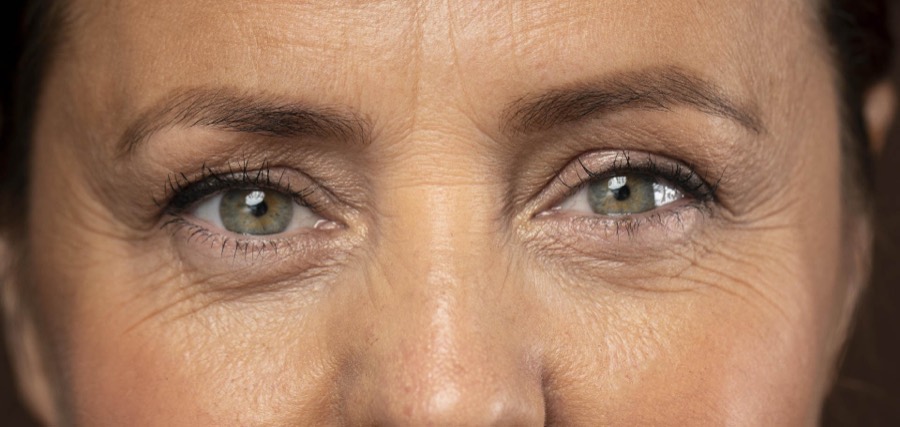
Dry eye is one of the most common reasons people visit an eye doctor. In the United States, about 6.8% of adults, roughly 16.4 million people, have been diagnosed with dry eye disease, and many more have symptoms without a diagnosis.1
What is dry eye?
Dry eye happens when your eyes don't produce enough tears, or when the tears are not the right quality and evaporate too quickly. Without a smooth, stable tear film, the surface of the eye can feel dry and uncomfortable.
Common signs
- Burning, stinging or a gritty, sandy feeling
- Tired, heavy eyes, especially at the end of the day or on waking
- Sensitivity to light
- Blurred or fluctuating vision, trouble reading or driving at night
- Redness of the eyes or eyelid margins
- Watery eyes (the eye's reaction to dryness)
Common causes and risk factors
- Age and hormonal changes, especially for women after 40
- Screen time: we blink less when looking at screens
- Environment: dry air, air conditioning, wind, smoke
- Eyelid oil glands (meibomian glands) that don't release enough oil to keep tears from evaporating
- Contact lenses and some medications, such as antihistamines
- Certain health conditions, such as autoimmune diseases
Everyday habits that help
- Follow the 20-20-20 rule during screen use: every 20 minutes, look 20 feet away for 20 seconds, and blink fully.
- Use a humidifier and avoid air blowing directly at your face.
- Stay hydrated and include omega-3 rich foods (such as fish, flaxseed and walnuts).
- Keep your eyelids clean and add gentle warmth to your routine.
- Use a lubricant as directed, especially at night when tears are lowest.
When to see an eye doctor
See an optometrist or ophthalmologist if your symptoms persist, your vision changes, or over-the-counter products are not enough. An eye exam can find the cause and the right plan for you.
Keep learning
Explore our Learn articles, or see how a simple bedtime routine works.
References
1. Farrand KF, Fridman M, Stillman IÖ, Schaumberg DA. Prevalence of Diagnosed Dry Eye Disease in the United States Among Adults Aged 18 Years and Older. Am J Ophthalmol. 2017;182:90-98.