Nighttime Dry Eye: Why It Happens and How to Treat It
Dry eye disease (DED) can be frustrating at any time of day, but many patients report that their symptoms feel noticeably worse at night or upon waking. This phenomenon, often referred to as “nighttime dry eye,” is more than just a.
Dry eye disease (DED) can be frustrating at any time of day, but many patients report that their symptoms feel noticeably worse at night or upon waking. This phenomenon, often referred to as “nighttime dry eye,” is more than just a nuisance—it can significantly affect sleep quality and overall ocular health.
As an ophthalmologist, I frequently encounter patients who are perplexed by the timing of their symptoms. Understanding the causes of nighttime dry eye and adopting targeted treatments can bring meaningful relief and help protect the eyes during the critical hours of rest and recovery.
Why Does Dry Eye Get Worse at Night? There are several reasons dry eye tends to worsen during the night:
1. Reduced Tear Production The body naturally produces fewer tears during sleep. This means less lubrication for the eyes, which can lead to dryness, irritation, and even inflammation by morning.
2. No Blinking While Sleeping Blinking is essential to spreading the tear film and stimulating meibomian gland secretion. At night, our eyes remain closed and motionless, which allows the tear film to break down without replenishment.
3. Incomplete Eyelid Closure (Lagophthalmos) Some people sleep with their eyes partially open—a condition called nocturnal lagophthalmos. This can expose the ocular surface and lead to rapid tear evaporation overnight.
4. Environmental Factors Bedroom conditions like air conditioning, ceiling fans, or dry heat can exacerbate nighttime dryness by accelerating tear evaporation.
5. Underlying Ocular Surface Disease Patients with meibomian gland dysfunction (MGD), blepharitis, or aqueous-deficient dry eye often experience worsened symptoms at night because these underlying issues are unaddressed during sleep.
Common Symptoms of Nighttime Dry Eye
- Burning or stinging sensation upon waking
- Redness in the morning
- Blurry vision that improves after blinking
- Eyelid heaviness or crusting
- Foreign body sensation
- Sensitivity to light after sleep
Nighttime Treatments That Work Managing nighttime dry eye often requires a dedicated approach that protects and restores the tear film throughout the night. Here are the most effective strategies:
1. Lubricating Ointments and Gels Unlike daytime eye drops, nighttime ointments are thicker and longer-lasting. They create a protective barrier over the eye, reducing evaporation while you sleep. Preservative-free ointments are ideal to minimize irritation and are especially helpful for patients with sensitive eyes.
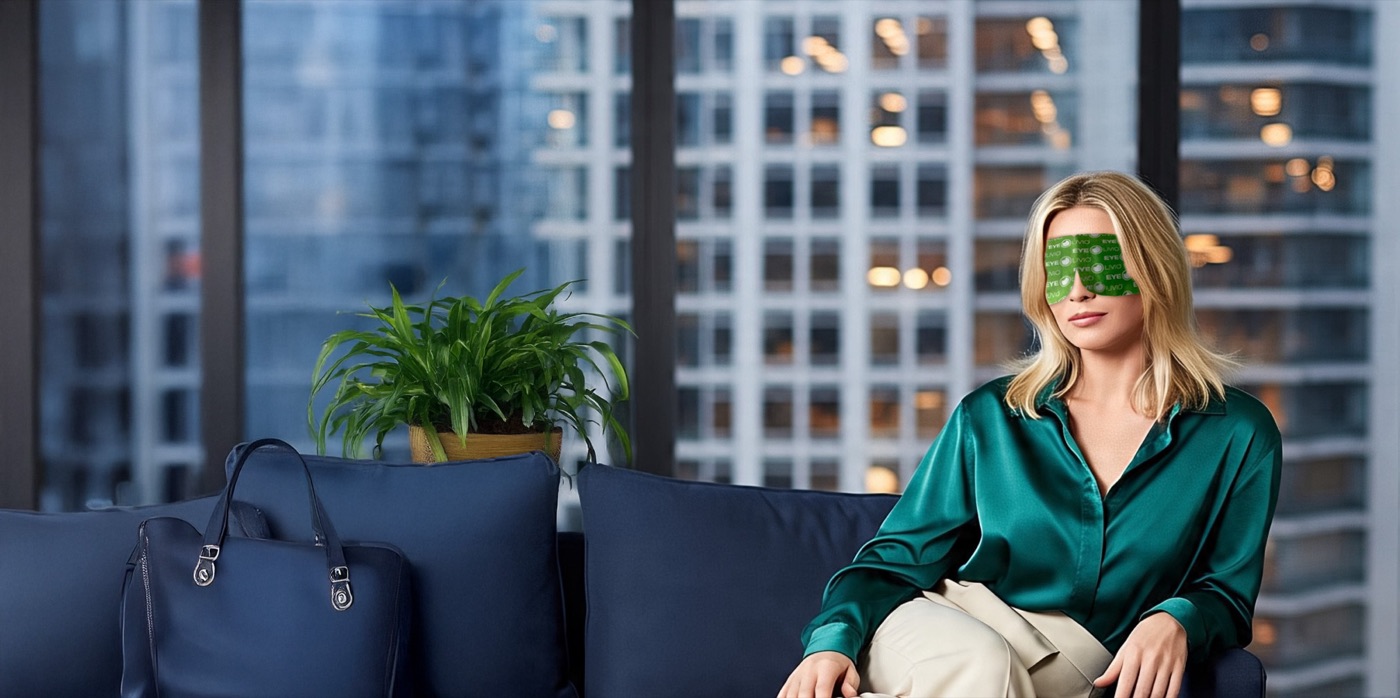
2. Self-Heating Eye Masks Consistent warmth to the eyelids before bed helps to soften meibum (the oily component of tears), improving meibomian gland function. Self-warming masks, such as EYELIVIO's, offer consistent, gentle warmth with no microwave, a soothing step before sleep.
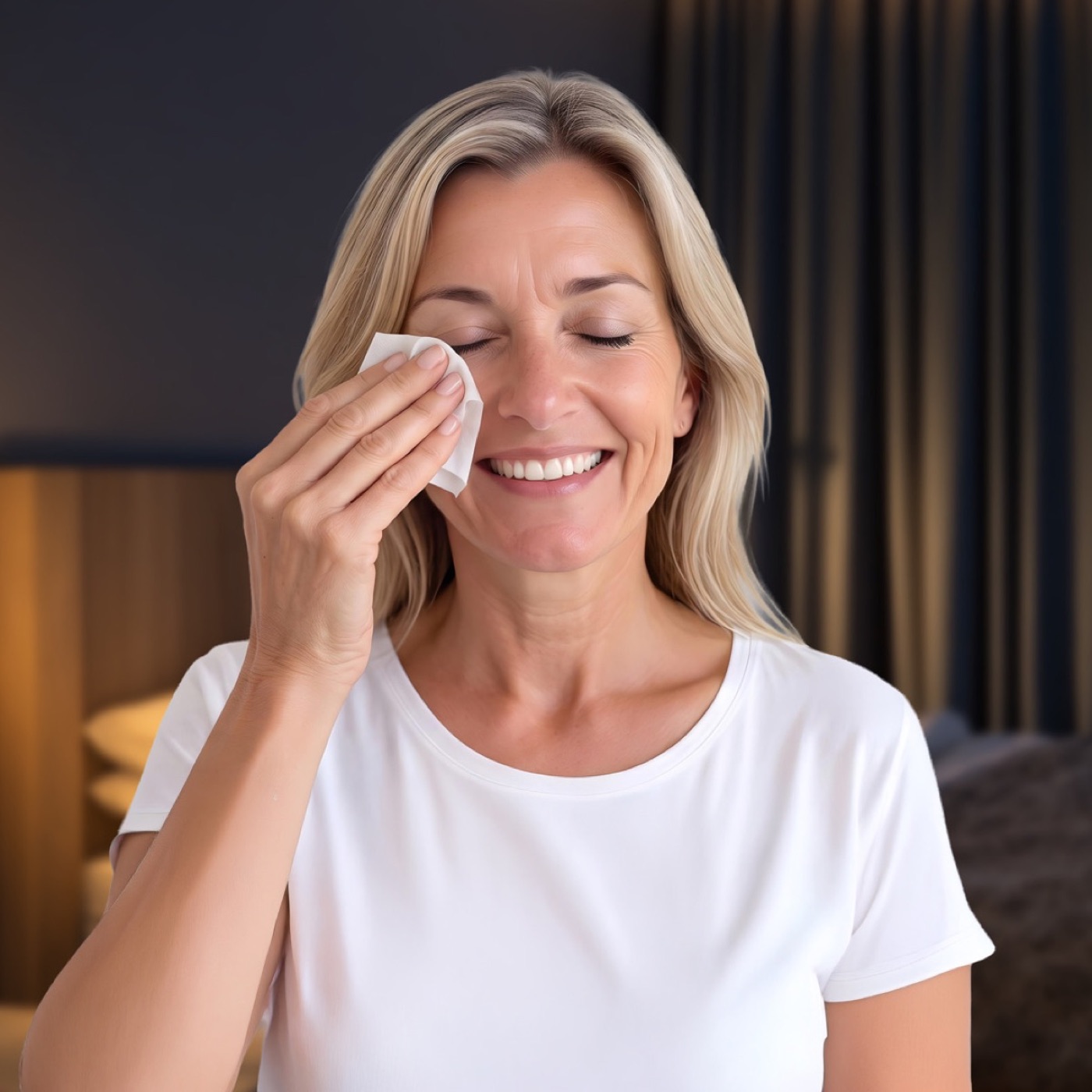
3. Eyelid Hygiene Gentle cleansing of the eyelids before bed can remove debris, oil buildup, and bacteria that contribute to inflammation. Using lid scrubs or pre-moistened wipes helps maintain a healthier lid margin, particularly for those with blepharitis.
4. Humidifier Use Running a humidifier at night adds moisture to the air, reducing tear evaporation and helping to maintain a more stable ocular environment.
5. Eyelid Taping or Moisture Goggles For patients with nocturnal lagophthalmos, gently taping the eyelids shut or using moisture-retaining sleep goggles can offer full protection and prevent exposure-related dryness.
When to See an Eye Specialist
If nighttime dryness persists despite home treatments, it’s important to consult an ophthalmologist. There may be underlying inflammation, MGD, or systemic conditions such as Sjögren’s syndrome that require further evaluation and treatment.
Final Thoughts Nighttime dry eye is a common yet often overlooked aspect of dry eye disease. By understanding the causes and applying targeted therapies—especially those that protect the eyes during sleep—patients can find significant relief and wake up with healthier, more comfortable eyes.
- Craig JP et al. TFOS DEWS II Definition and Classification Report. Ocul Surf. 2017.
- Nichols KK et al. TFOS DEWS II Management and Therapy Report. Ocul Surf. 2017.
- Blackie CA, Korb DR. Warm compress therapy and meibomian gland function. Cornea. 2015.
- Arita R, Fukuoka S, Morishige N. Therapeutic efficacy of eyelid warming for meibomian gland dysfunction. BMC Ophthalmol. 2017.
- McMonnies CW. Incomplete blinking and dry eye. Cont Lens Anterior Eye. 2019.
- Geerling G, Tauber J, Baudouin C et al. The international workshop on meibomian gland dysfunction: report of the subcommittee on management and treatment of MGD. Invest
- Ophthalmol Vis Sci. 2011.
This article is for general information only and is not medical advice. Talk to your eye doctor about your symptoms and before starting any new routine.