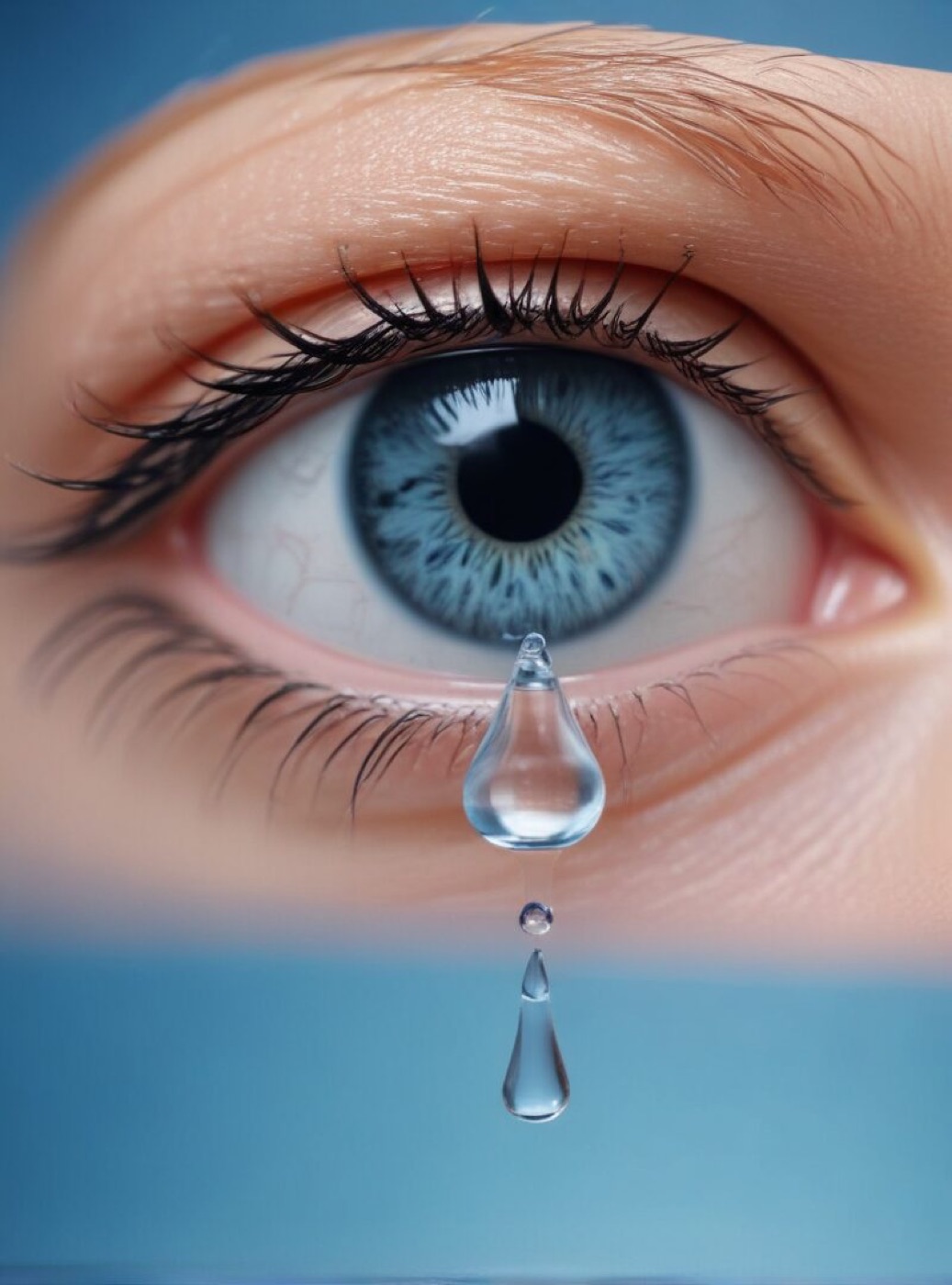
Hormonal Shifts and Screen Time: Understanding Dry Eye in Women Over 35
Dry eye disease (DED) disproportionately affects women over 35, due in part to the interplay of hormonal fluctuations and increasing digital screen use. This article explores the dual impact of hormonal changes and prolonged screen.

Abstract
Dry eye disease (DED) disproportionately affects women over 35, due in part to the interplay of hormonal fluctuations and increasing digital screen use. This article explores the dual impact of hormonal changes and prolonged screen exposure on the ocular surface, tear film stability, and meibomian gland function. It outlines evidence-based diagnostic tools, current pharmaceutical and behavioral treatment strategies, and future research priorities to guide eye care professionals in managing dry eye in this vulnerable demographic.
Introduction
Dry eye disease (DED) is a multifactorial disorder of the ocular surface characterized by a loss of homeostasis of the tear film. Women over 35 are particularly susceptible due to age-related hormonal shifts and increased exposure to digital devices. Recent epidemiological data reveal a rising incidence of symptomatic dry eye in this population, emphasizing the need for tailored diagnostic and therapeutic approaches.
Hormonal Pathophysiology and Tear Film Stability
The tear film is a delicate balance of lipid, aqueous, and mucin components. Hormonal fluctuations, especially declining androgen and estrogen levels during perimenopause and menopause, contribute to tear film instability. Androgens promote meibomian gland lipid synthesis and suppress ocular surface inflammation, while estrogen fluctuations can increase matrix metalloproteinase (MMP) expression, disrupting epithelial integrity.
Meibomian Gland Dysfunction (MGD) in Hormonal Decline
MGD is a leading cause of evaporative dry eye. Androgen deficiency in women leads to glandular atrophy, reduced lipid secretion, and increased tear evaporation. Histological studies demonstrate acinar cell dropout and ductal obstruction in women with hormonal imbalances, correlating with clinical signs of MGD.
Digital Device Usage and Blink Efficiency
Prolonged screen time significantly reduces blink rate and completeness, accelerating tear evaporation. The average blink rate drops from 17 blinks/min to 4–6 during screen use. Women over 35 often report 8+ hours of daily screen exposure, compounding tear film instability and exacerbating dry eye symptoms.
The Dual Impact: Hormones and Screens
The intersection of hormonal decline and digital behavior creates a compounding effect. Reduced meibomian output and inefficient blinking synergistically destabilize the tear film. This dual mechanism results in persistent hyperosmolarity, ocular surface inflammation, and subjective discomfort, often disproportionate to clinical findings.
Diagnostic Considerations
Early and accurate diagnosis is critical. Recommended tools include:
- Non-Invasive Tear Break-Up Time (NIBUT)
- Meibography to visualize gland dropout
- Tear osmolarity testing
- Ocular Surface Disease Index (OSDI) questionnaire
- Lid margin assessment and expression testing
Current Treatment Approaches
Pharmaceutical Interventions
- Topical cyclosporine A and lifitegrast for inflammation control
- Lipid-based artificial tears to support evaporative DED
- Oral doxycycline for anti-inflammatory modulation
Behavioral and Environmental Strategies
- Screen hygiene: Encourage blinking exercises and the 20-20-20 rule
- Humidifier use and ambient lighting control
- Nutritional supplementation with omega-3 fatty acids
In-Office and Procedural Options
- Thermal pulsation therapies (e.g., LipiFlow)
- Intense Pulsed Light (IPL) for refractory MGD
- Manual gland expression and probing
Patient Education
Empowering patients with knowledge about the hormonal and behavioral roots of their condition improves adherence and outcomes. Educational materials, lifestyle coaching, and personalized treatment plans are crucial in managing chronic dry eye.
Future Research Directions
- The role of hormone replacement therapy (HRT) in ocular surface regulation
- Development of digital behavior modification tools
- Studies on neurogenic inflammation in hormonal dry eye
- Exploration of hormone receptor profiling for personalized treatment
References
- Schaumberg DA, Sullivan DA, Buring JE, Dana MR. Prevalence of dry eye syndrome among US women. Am J Ophthalmol. 2003;136(2):318–326.
- Sullivan DA, et al. Sex, sex steroids and dry eye syndrome. Adv Exp Med Biol. 2002;506:389–399.
- Ong ES, et al. Effects of prolonged digital screen use on blink rate and ocular surface. Cornea. 2020;39(2):147–152.
- Craig JP, et al. TFOS DEWS II Report. Ocul Surf. 2017;15(3):269–650.
- Finis D, Schrader S, Geerling G. Evaluation of lipid layer thickness measurement and blinking in dry eye disease. Graefes Arch Clin Exp Ophthalmol. 2014;252(9):1391–1400.
- Pflugfelder SC, Stern ME. Biological functions of tear film components. Ocul Surf. 2020;18(2):209–226.
- Aragona P, Rolando M. Towards a dynamic customized therapy for dry eye. Br J Ophthalmol. 2013;97(8):955–960.
This article is for general information only and is not medical advice. Talk to your eye doctor about your symptoms and before starting any new routine.