Effective Treatment Options for Dry Eye
Treating Dry eye syndrome involves a combination of lifestyle adjustments, over-the-counter remedies, prescription medications, and advanced treatments. This article explores various options to help women over 35 manage dry eye.
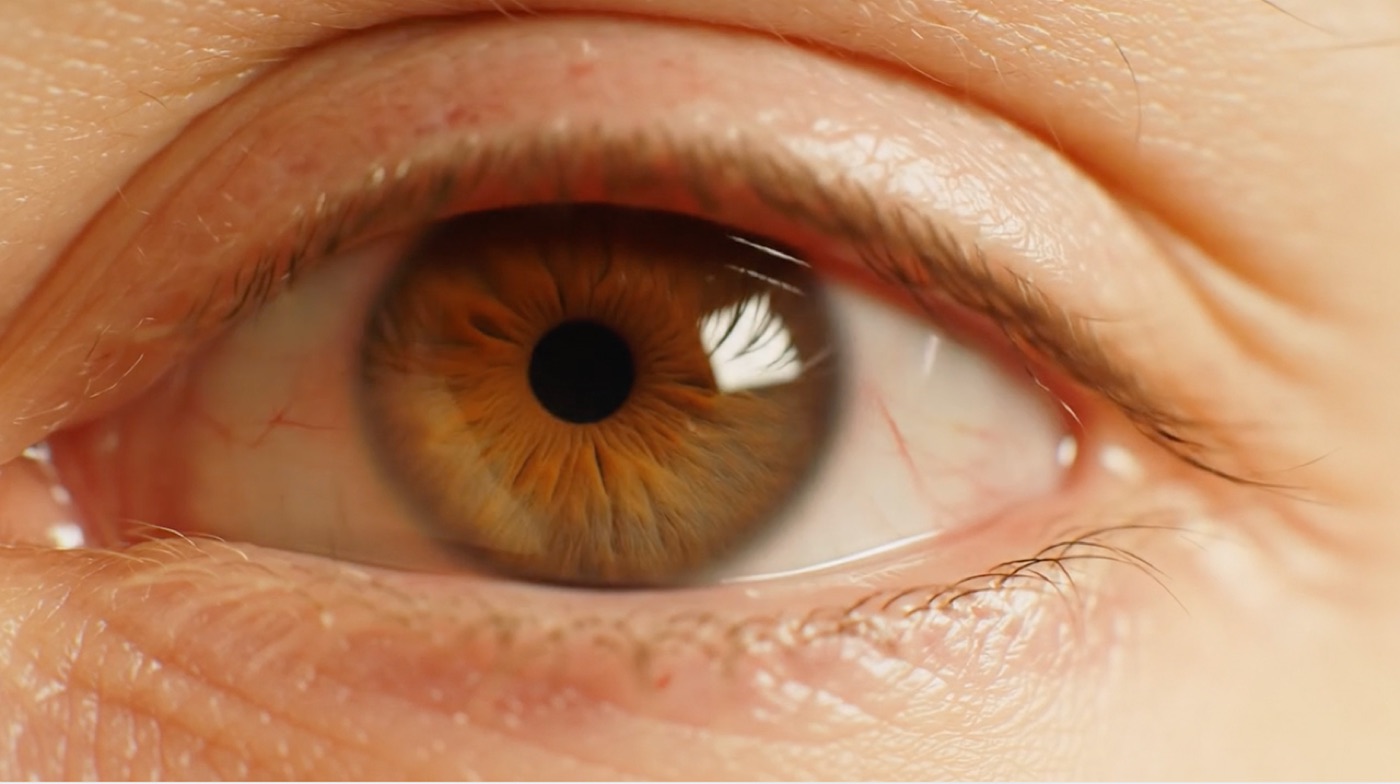
Dry eye syndrome is a prevalent condition that occurs when your eyes don't produce enough tears or when the tears evaporate too quickly, leading to inflammation and damage of the eye's surface. This condition can cause discomfort, visual disturbances, and potential damage to the eye. Understanding the available treatment options can help you manage and alleviate the symptoms effectively.
Over-the-Counter (OTC) Remedies
- Artificial Tears: These lubricating eye drops are the first line of defense against mild dry eye symptoms. They help moisten the eyes, providing temporary relief from dryness and irritation.
- Moisturizing Ointments and Gels: Lubricating ointments and gels can provide longer-lasting relief, especially at night. They help retain moisture on the eye's surface, reducing dryness and discomfort.
Prescription Treatments
- Anti-Inflammatory Medications: Prescription eye drops containing cyclosporine A or lifitegrast can reduce inflammation in the tear glands, promoting increased tear production.
- Steroid Eye Drops: In cases of severe inflammation, corticosteroid eye drops may be prescribed to decrease inflammation and alleviate symptoms.
- Punctal Plugs: These are small devices inserted into the tear ducts to block drainage, thereby increasing the eye's tear film and reducing dryness.
In-Office Procedures
- Lid Hygiene and Warm Compresses: Eye care professionals may perform eyelid scrubs and apply warm compresses to help unblock oil glands, improving tear quality and reducing dryness.
- Pulsed Heat and Massage: This treatment involves applying heat and gentle massage to the eyelids to stimulate oil glands, enhancing tear production and quality.
- Intense Pulsed Light Therapy: This therapy utilizes light to reduce inflammation and improve gland function, which can provide relief from dry eye symptoms.
Lifestyle and Environmental Modifications
- Humidifiers: Using humidifiers adds moisture to the air, which can help prevent tear evaporation, especially in dry or air-conditioned environments.
- Dietary Adjustments: Incorporating omega-3 fatty acids into your diet, found in fish oil supplements, may support eye health, though recent studies have shown mixed results regarding their effectiveness in treating dry eyes.
- Environmental Controls: Wearing wraparound sunglasses outdoors and minimizing exposure to wind, smoke, and dry air can help reduce tear evaporation and protect the eyes.
Introducing EYELIVIO® Products
At EYELIVIO®, we make simple products for everyday dry eye care. Our product line includes:
- EYELIVIO® Self-Warming Eye Masks: Gentle, soothing warmth for tired eyes, with no microwave.
- EYELIVIO® Nighttime Lubricant Eye Ointment: A preservative-free lubricant for overnight moisture. Use as directed on the Drug Facts label.
- EYELIVIO® Complete Dry Eye Care Pack: Our ointment and self-warming masks together for a simple bedtime routine.
Visit our product page for more information on our products and how they can help alleviate dry eye symptoms.
Consulting an Eye Care Professional
If Dry eye syndrome is persistent or severe dry eye symptoms, it's essential to consult an eye care professional. They can provide a comprehensive evaluation and recommend appropriate treatments tailored to your needs.
Conclusion
Dry eye is a manageable condition with various treatment options, ranging from over-the-counter remedies to prescription medications and in-office procedures. Incorporating lifestyle and environmental changes can also play a significant role in alleviating symptoms. At EYELIVIO®, we offer simple products for everyday eye comfort. Always consult an eye care professional to determine your situation's most appropriate treatment plan.
References
- National Eye Institute. (n.d.). Dry Eye. National Institutes of Health. Retrieved from https://www.nei.nih.gov/learn-about-eye-health/eye-conditions-and-diseases/dry-eye Mayo Clinic. (2021). Dry eyes - Diagnosis & treatment. Mayo Clinic. Retrieved from https://www.mayoclinic.org/diseases-conditions/dry-eyes/diagnosis-treatment/drc-20371869 Craig, J. P., Nichols, K. K., Akpek, E. K., et al. (2017). TFOS DEWS II definition and classification report. Ocular Surface, 15(3), 276-283. Retrieved from https://www.sciencedirect.com/science/article/pii/S1542012417300600 Gayton, J. L. (2009). Etiology, prevalence, and treatment of dry eye disease. Clinical Ophthalmology, 3, 405-412. Retrieved from https://www.dovepress.com/etiology-prevalence-and-treatment-of-dry-eye-disease-peer-reviewed-article-OPTH Pflugfelder, S. C., & Stern, M. E. (2016). The pathophysiology of dry eye disease: A review of the current understanding. Ocular Surface, 14(4), 365-376. Retrieved from https://www.sciencedirect.com/science/article/pii/S1542012416300623 U.S. Pharmacist. (2009). Treatment Options for Dry Eye Disease. U.S. Pharmacist. Retrieved from https://www.uspharmacist.com/article/treatment-options-for-dry-eye-disease Cleveland Clinic. (2021). Dry Eye: Symptoms, Causes, and Treatment. Cleveland Clinic. Retrieved from https://my.clevelandclinic.org/health/diseases/24479-dry-eye American Academy of Ophthalmology. (2021). Improved Dry Eye Drugs for 2025 and Beyond. American Academy of Ophthalmology. Retrieved from https://www.aao.org/eye-health/tips-prevention/new-dry-eye-treatments-ocular-surface-disease ScienceDirect. (2022). Novel drug delivery systems for the management of dry eye. ScienceDirect.
This article is for general information only and is not medical advice. Talk to your eye doctor about your symptoms and before starting any new routine.